
Unclear user journeys
Pages need messaging, structure and CTAs designed around buyer decisions.
We build web platforms the way we build everything else: performance, security and maintainability first. Fast load times (which help both users and SEO), sensible security, clean code your team can maintain, and architecture that scales with traffic. Good design on top of solid engineering, not the other way around.
Global and regional US users initiate authenticated, low-latency TLS 1.3 / HTTP/3 connections.
Edge nodes terminate traffic close to the user, delivering static assets within single-digit milliseconds.
Layer 7 inspection blocks OWASP Top 10 exploits, automated bot attacks, and volumetric denial-of-service attempts.
Next.js dynamic rendering and edge-cached static pages maximize Core Web Vitals with zero client lag.
Lightweight, accessible React/Next.js components deliver instantaneous interactivity and seamless navigation.
Automated image optimization (AVIF/WebP), responsive font subsets, and zero layout shift protect search rankings.
Authenticated REST and GraphQL queries route to high-availability database clusters and encrypted object vaults.
Slow pages, layouts that jump while loading, pages search engines miss and forms that lose visitors.
Pages need messaging, structure and CTAs designed around buyer decisions.
Slow pages, layout shifts and heavy assets reduce trust and conversion.
Teams need reusable components and clean content workflows instead of fragile page-builder clutter.
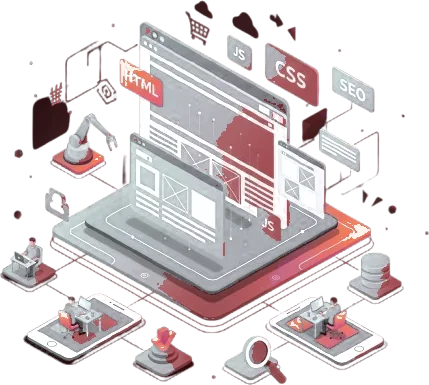
We combine strategy, UX, engineering and cloud operations to deliver maintainable digital platforms that are fast, accessible and easy to evolve.
Custom WordPress and modern frontend builds with clear content structure and conversion paths.
React, Next.js, Laravel and Node.js solutions for operational workflows.
Role-based access, dashboards, workflows and integrations.
Core Web Vitals, caching, image strategy, code quality and reliable deployment.
Keyboard support, semantic structure, alt text, color contrast and inclusive UX checks.
Sharper messaging, CTA paths, analytics events and iterative improvements.
Clean HTML, light CSS, small images, structured data and pages that work on any screen.
Understand who the site needs to convert and what decision they're making before design starts.
Structure pages and journeys around that decision, not a generic template.
Build reusable, accessible components instead of one-off pages that are hard to maintain.
Tune Core Web Vitals and asset weight so pages load fast on real connections.
Track conversion and technical health after launch, and keep iterating on both.
Each step ends with a written result and a clear yes or no before the next one starts.
We fix page speed, help search engines crawl the site, build reusable parts and set up useful analytics.
Map audiences, decision points and actions the site needs to support.
Create reusable patterns and clean content workflows for long-term ownership.
Test responsive layouts, accessibility, speed, forms and tracking.
Use analytics, Search Console and feedback to refine conversion and content.
Pages load fast and give buyers a clear next step.
Content and CTAs guide visitors from interest to qualified inquiry.
Lightweight builds improve Core Web Vitals and user trust.
Reusable templates, accessibility and documentation make the platform easier to evolve.
Clean code, few scripts and strict accessibility.
One cloud base that every team reuses, so new setups are quick and stay in line.
Read the storyShort answers on timelines, targets and upkeep.
Both, but we lead with performance and structure so the design actually performs.
Speed is a first-class goal, not an afterthought: it affects users and rankings directly.
A B2B website should explain what you do quickly, load fast, rank for the searches your buyers make and turn visits into enquiries. That means clean page structure, structured data, accessible design, secure hosting and a handover so your team can update content without a developer.
WCAG 2.2 compliance services audit pages against WCAG 2.2 AA with automated tools plus manual keyboard and screen reader checks, fix issues such as contrast, focus order, form labels and target size, and document what was tested and what remains.
| Source and what it covers |
|---|
New to iNET SYSTEMS? Meet our founder, see how we work, read the FAQs or start with an AI Security Readiness Assessment.
Questions are not stored. Avoid sharing confidential information. Privacy Policy
